

Export process & quality control
Every order goes through seven steps, with a certificate of analysis for the actual lot, inspection at the factory before container loading and a full set of documents to meet your market’s requirements.
Seven steps from request to arrival at port
Send your request
Tell us the product, specification, packing, volume and port of destination.
You receiveConfirmation within one business day, with questions if any information is missing.Quotation & specification sheet
DBP works with the right factory and sends you a written quotation.
You receiveA quotation, a specification sheet and a reference certificate of analysis.Sample for approval
Samples are sent to your laboratory for testing.
You receiveA sample matching the quoted specification, with a certificate of analysis.Contract
We agree on specifications, tolerances, packing, Incoterms, schedule and payment.
You receiveA contract in English or Japanese.Production & inspection
DBP monitors production and inspects the goods at the factory before container loading.
You receiveInspection and loading photos before the goods leave the warehouse.Shipping & documents
We book dry or reefer containers and prepare the export documents.
You receiveA full set of documents and tracking information for the shipment.After-sales
We follow the shipment to the port of destination and work with the factory to resolve any issues that arise.
You receiveYour feedback recorded and used to improve the next shipment.

| Specification | Passed ✓ |
| Moisture / Brix | Passed ✓ |
| Packing, labels | Passed ✓ |
| Loading photos | Sent ✓ |
Three things DBP does for every shipment
Beyond the factory’s certifications, buyers need evidence for the very shipment they are about to receive.
A certificate of analysis for every lot
Results from an independent laboratory, issued for the actual lot being shipped — not a generic sample certificate.
Inspection before container loading
Specification, moisture or Brix, packing and labels are checked at the factory; actual photos are sent to you before the container leaves the warehouse.
A specification sheet agreed from the start
Specifications, tolerances and test methods are written into the contract — the basis for acceptance and for handling any deviation.
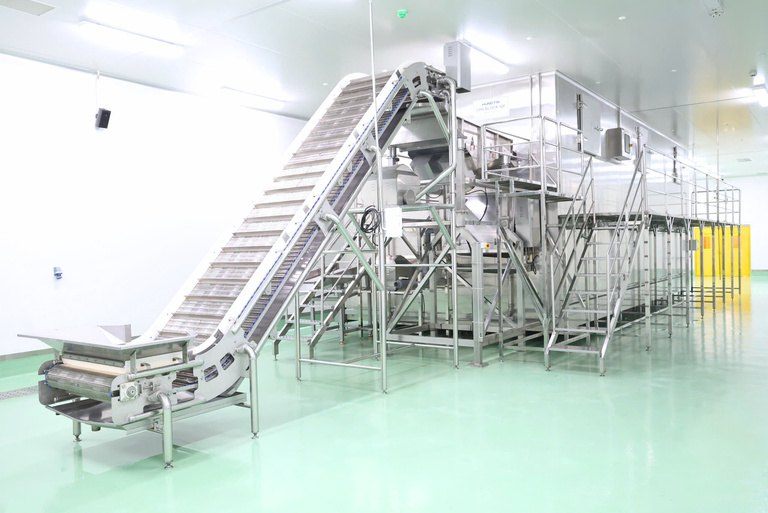
Freezing and processing technology at partner factories
Frozen products are frozen with one of three technologies, depending on the product and your requirements, and stored at −18 °C (±3 °C).
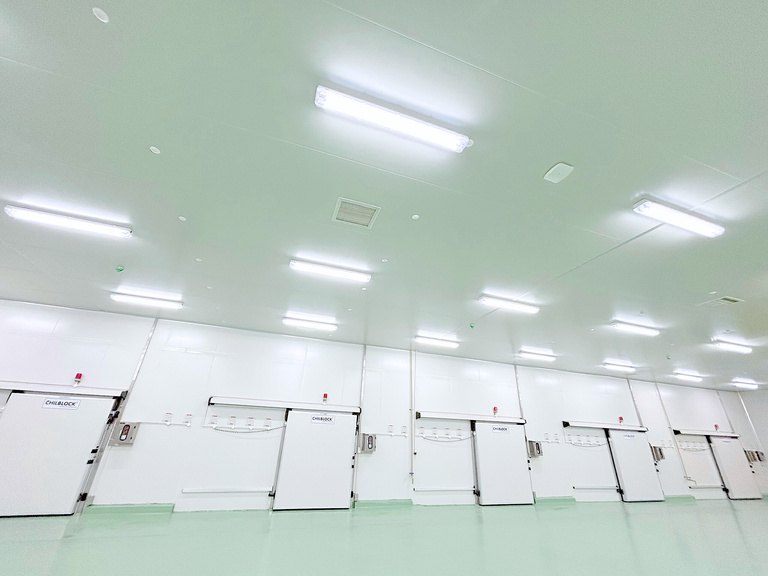
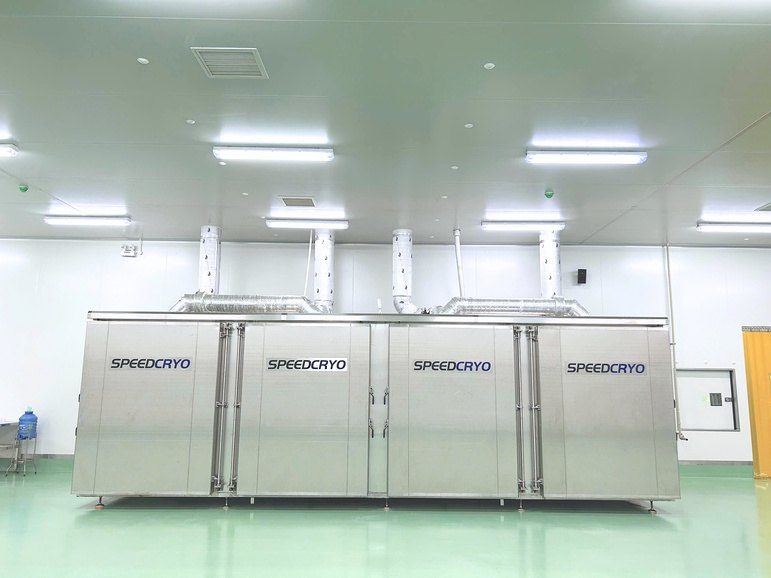
Images taken at partner factory facilities.
Certifications of partner factories, packing houses and orchards
Certifications differ by factory. Copies of the certificates are sent with the documentation on request.
| Product group | Partner certifications |
|---|---|
| Sea salt | HACCP · ISO 22000 · VIETCERT · IAF |
| Fresh fruits & vegetables | Packing house: GLOBALG.A.P · FSSC 22000 · HALAL · HACCP · BRCGS · FDA — Orchards: VietGAP · GLOBALG.A.P |
| Frozen fruits & vegetables | BRCGS · FSSC 22000 · FDA · HALAL · HACCP · GLOBALG.A.P · IFS Food · BSCI · Kosher (depending on the factory) |
| Dried fruits | FSSC 22000 · ISO 22000:2018 · HACCP · US FDA-registered facility |
| Canned & cup fruits | FDA · BRCGS Food Safety · IFS Food · FSSC 22000 · HALAL · Kosher · BSCI · GLOBALG.A.P |
| Bamboo shoots | FDA · ISO · HACCP |
DBP’s partner fruit packing house holds a packing house code issued by the Vietnamese Government and is qualified to export fresh and frozen fruit to the United States, China, Australia and New Zealand.
Documents that come with each shipment
The exact list depends on the product and the import requirements of each market, and is agreed in the contract.
- Certificate of analysis (COA)For the actual lot being shipped
- Certificate of origin (C/O)In the form required by the importing market
- Phytosanitary certificateFor fruit, vegetables and other agricultural products that require plant quarantine
- Health certificateWhen required by the importing market
- Invoice & packing listCommercial invoice, packing list
- Bill of ladingB/L, plus an insurance certificate for CIF deliveries
Dry and reefer cargo delivered to your port
FOB at a Vietnamese port or CIF to your port of destination; full container load (FCL) or less than container load (LCL). Quantity per order.
Dry cargo
Salt, dried fruit, canned goods and dried bamboo shoots: 20′ or 40′ dry containers; salt can also be shipped in bulk by vessel.
Reefer cargo
Frozen products travel in reefer containers kept at −18 °C for the whole voyage; fresh fruit at the storage temperature suited to each type.
Ports of loading & destination
Hai Phong, Da Nang, Quy Nhon, Cat Lai, Cai Mep → for example Tokyo, Yokohama, Nagoya, Osaka, Kobe or Hakata in Japan, and other ports worldwide on request. Shipping line, schedule and transit time are confirmed for each order.
Tell us what you need
Product, specification, volume and port of destination — that is all DBP needs to send you a quote. We reply within one business day.